Automating customer enquiries without losing the human touch
For many businesses, responding to enquiries is a balancing act. Customers expect quick replies, while teams struggle to keep up with growing volumes of emails, website messages, social media enquiries and calls. Automation can help, but many owners worry that technology will make customer interactions feel impersonal. Automation and personal service do not have to be opposites. Properly implemented, automation handles routine tasks, shortens response times and frees staff for conversations that need human expertise. The objective is not to replace people. It is to make people more effective.
 By Emmanuel Offei Bekoe · · 4 min read
Last updated:
Why customer enquiries matter
An enquiry is often a customer's first interaction with your business, whether it comes through a website form, an email or a live chat. They want answers, guidance or reassurance. A slow response creates doubt, and a poor one can lose the customer altogether. Customers engage more readily with businesses that respond quickly and clearly, and the challenge is keeping that responsiveness as volumes grow. This is where workflow automation makes a measurable difference.
The problem with manual processes
Many organisations still handle enquiries by hand. A typical process runs like this: the customer submits a form, the email lands in a shared inbox, a team member checks it, the enquiry is forwarded internally, someone responds when they can, and follow-up is scheduled manually. That may work for a few enquiries, but it becomes inefficient as a business grows. Common challenges include delayed responses, missed enquiries, duplicated work, poor visibility, inconsistent customer experiences and a lack of follow-up. These affect both customer satisfaction and business performance.
Using smart enquiry forms
Automation often starts with collecting better information. A simple form that asks only for a name, email address and message creates extra work, because staff must chase the missing details later. A better form collects the relevant details upfront. For example, a professional services firm might ask what service the enquirer needs, their estimated budget, their timescale and how they would like to be contacted. This lets enquiries be routed more efficiently and gives staff more context. Well-designed forms save time for both the customer and the business.
AI assistants can handle initial conversations
Modern AI assistants can answer common questions, provide information and collect enquiry details before a member of staff is involved. Typical examples include business hours, pricing information, service descriptions, booking availability, frequently asked questions and basic troubleshooting. This gives customers an immediate response and takes pressure off support teams. AI should have clear boundaries, though. Complex questions, complaints, negotiations and sensitive discussions should go to a person, and customers should never feel trapped in an automated system with no way to reach someone.
CRM integration creates better experiences
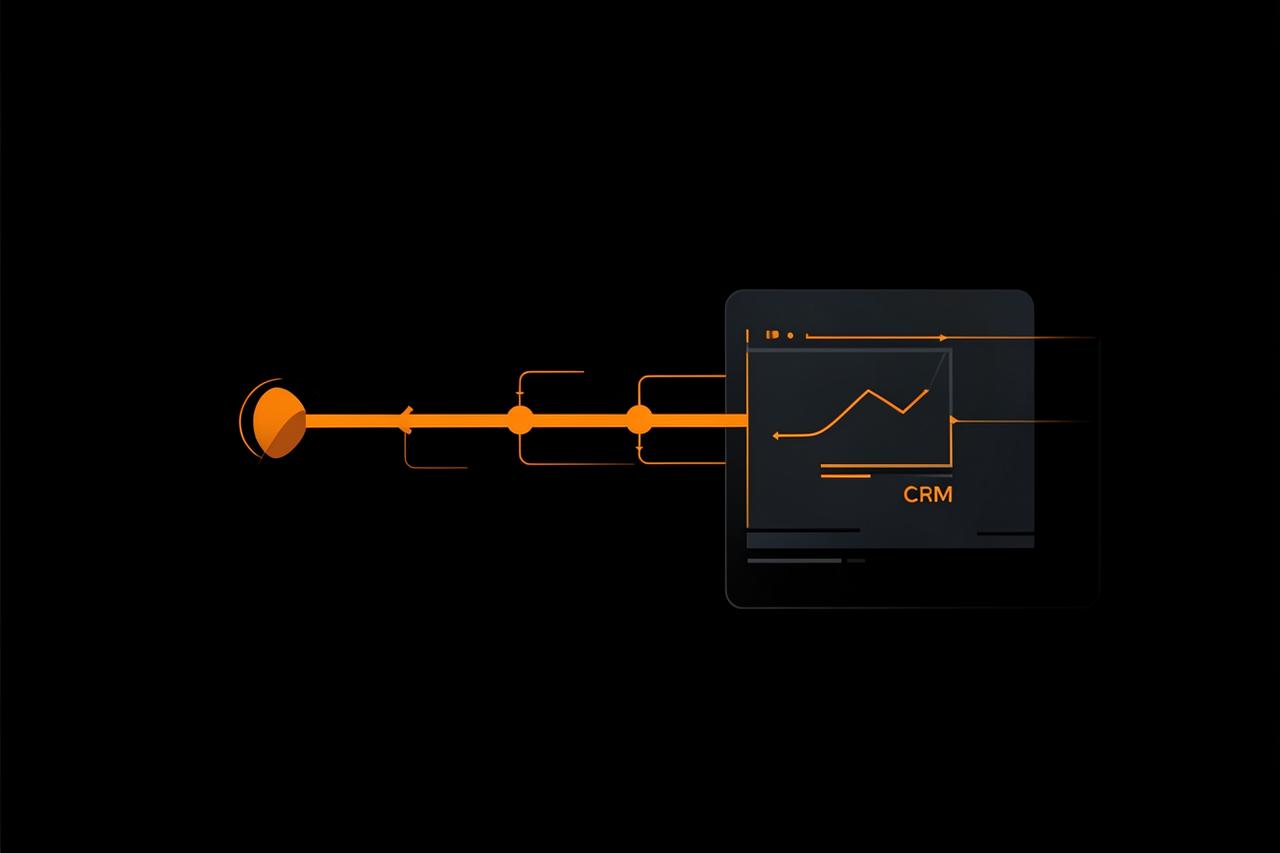
One of the most effective forms of automation connects enquiry channels directly to a customer relationship management (CRM) system. Customer details are captured automatically and kept in one place rather than typed in by hand. This brings centralised records, better tracking, faster follow-up, better reporting and fuller customer history. When staff can see previous conversations, their replies are more informed and personal, and customers do not have to repeat themselves.
Automated responses are not impersonal
Some owners avoid automatic acknowledgements because they fear sounding less personal. In practice, customers generally appreciate knowing their message has arrived. An automated response can confirm receipt, explain next steps, give an expected response time, share useful resources and offer alternative ways to get in touch. For example: "Thank you for contacting us. We've received your enquiry and a member of our team will review it within one business day. In the meantime, you may find answers to common questions in our knowledge centre." This reassures the customer and sets clear expectations.
Automating follow-ups
Many opportunities are lost because enquiries are never followed up. A customer may ask for information and then be distracted before deciding. Automation can support follow-up by sending reminders, scheduling callbacks, delivering helpful resources, requesting feedback and prompting sales team actions. The goal is not aggressive selling. It is to provide useful information that helps customers move forward when they are ready. Consistent follow-up often improves conversion rates without adding to workload.
Knowing when human interaction matters most
The most successful automation strategies recognise that not every conversation should be automated. People remain essential when complex advice is needed, customers are frustrated, decisions involve significant investment, negotiation is required or relationships matter. Automation should handle repetitive and predictable tasks, while people focus on work that needs judgement, empathy, trust and expertise. This combination beats either automation or manual handling alone.
Building a customer-centred workflow
An effective enquiry process typically has seven stages:
- Initial contact: the customer submits a form, sends an email or starts a chat
- Automated response: an immediate acknowledgement confirms receipt
- Qualification: information is collected and categorised automatically
- Routing: enquiries are assigned to the right team member
- Human engagement: specialists respond with personalised advice
- Follow-up: automated reminders make sure opportunities are not forgotten
- Reporting: data shows response times, conversion rates and customer trends
About the author
Emmanuel Offei Bekoe, Co-Founder of CodeCue Technologies
Co-Founder of CodeCue Technologies, with more than 15 years of experience in cybersecurity, web development and technology strategy.
View profile